 Call us (480) 661-0384
In this guide
- Start with how much electricity you use
- A worked example
- Understand kW, the size of a solar system
- Estimate what a kW will produce
- Plan for how your use might change
- Check how much space you have
- Think about direction and tilt
- What limits the size
- Decide early whether you want a battery
- Ask for a proper survey
- The short version
The right solar system is not the biggest one. It is the one that fits your home, your roof and the way you use electricity. Here is how to work out the size that makes sense.
Start with how much electricity you use
Look at your electricity bills for the last 12 months and add up the kilowatt-hours (kWh). This yearly figure shows how much energy your household needs, and it is the starting point for every design. The average US home uses roughly 10,000 to 11,000 kWh a year, but yours can be much higher or lower.
A worked example
Say a household used 12,000 kWh over the last twelve months. If panels in your area make about 1,700 kWh a year for every kW installed, you would divide 12,000 by 1,700 and land near 7 kW. A system of about that size could cover most of the household's yearly use. The numbers are only an illustration, and your own bills and your own site decide the real answer.
You do not have to cover 100 percent of your use. Some homeowners aim for less because of roof space or budget, and some aim for more because they expect to add an electric car or a pool.
Understand kW, the size of a solar system
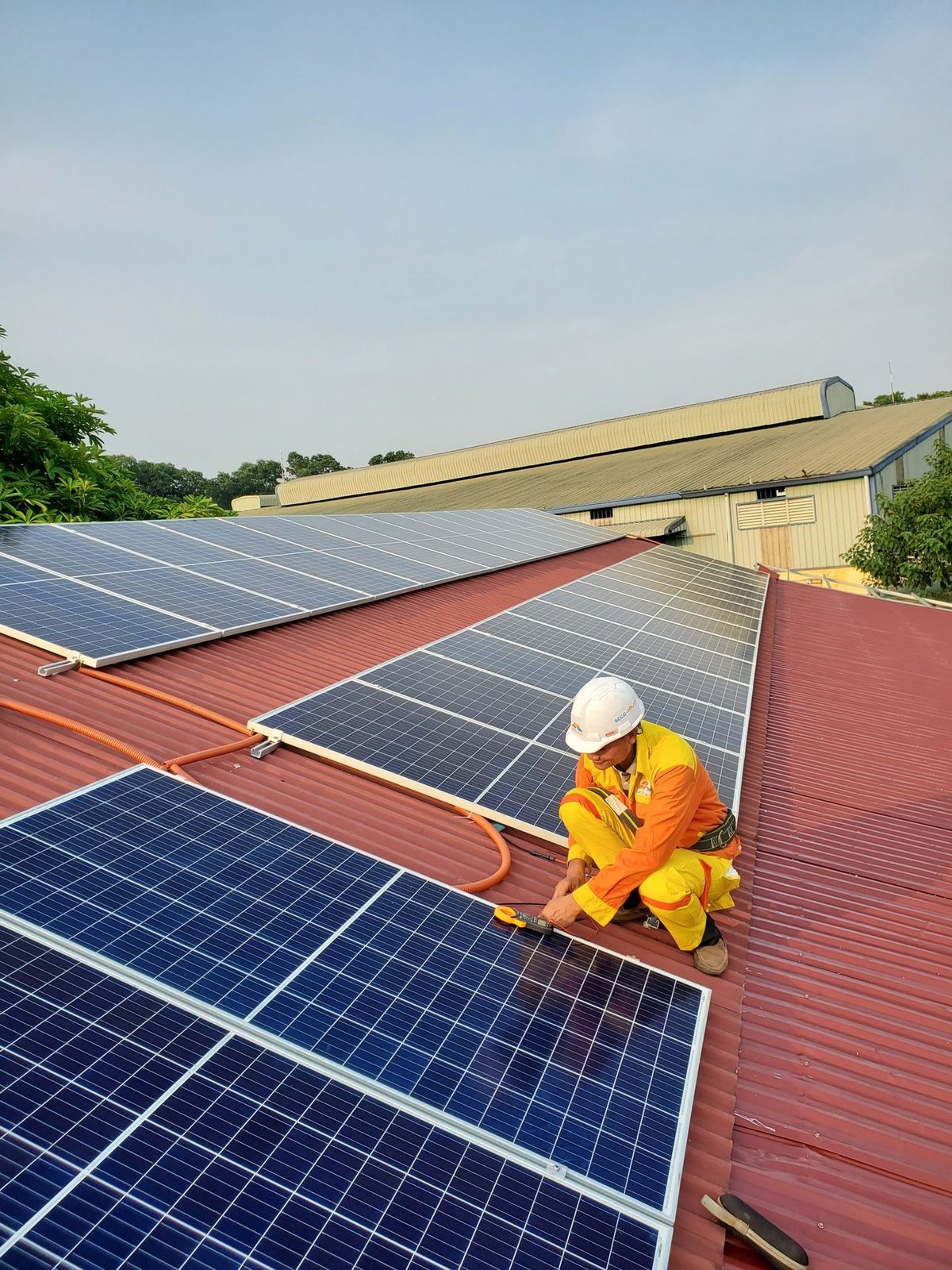
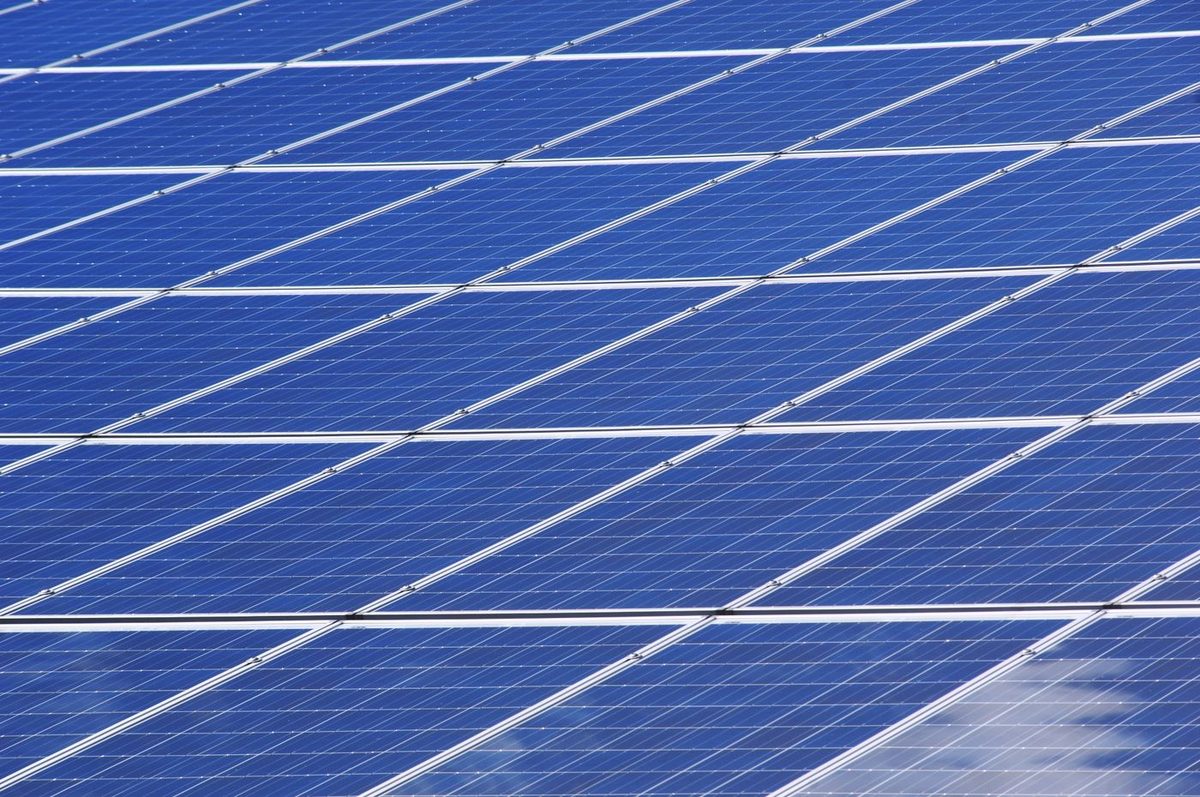
Solar systems are sized in kilowatts of DC power (kW). To find it, multiply the number of panels by the power of each one. For example, 18 panels of 400 W make 7,200 W, or 7.2 kW. That is the size of the system in our Phoenix case study.
Estimate what a kW will produce
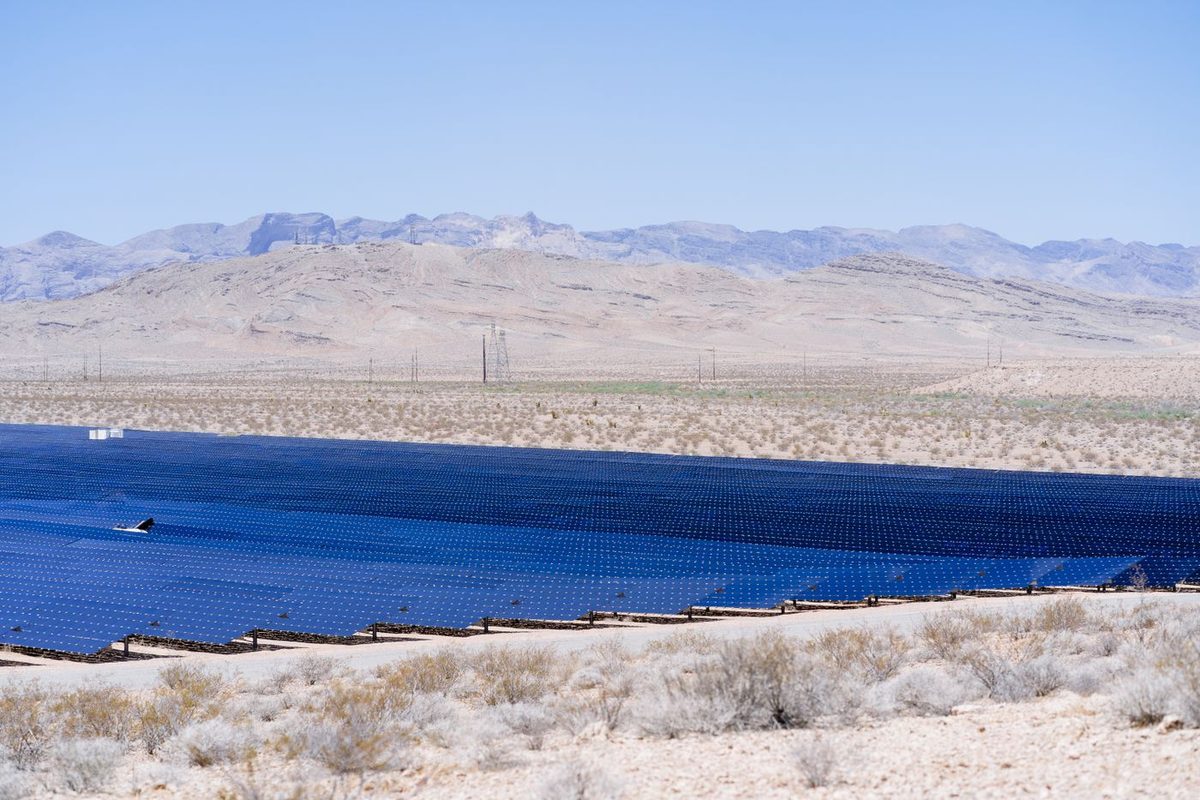
A kilowatt of panels makes somewhere between about 1,100 and 1,800 kWh a year in most of the US, depending on sun, shade and the direction of the roof. The sunny Southwest is at the top of that range. As an example, a home that uses 12,000 kWh a year in a sunny area needs about 7 kW of panels to cover it.
Plan for how your use might change
A system is built for years, so think about the next few of them. Are you planning to buy an electric car, add an air conditioner, install a heat pump or work from home more? Each of these raises how much electricity you use.
It is easier to size for those changes at the start than to add panels later. Tell your installer what you expect, and ask them to show a system for today's use and one that allows for growth.
Check how much space you have
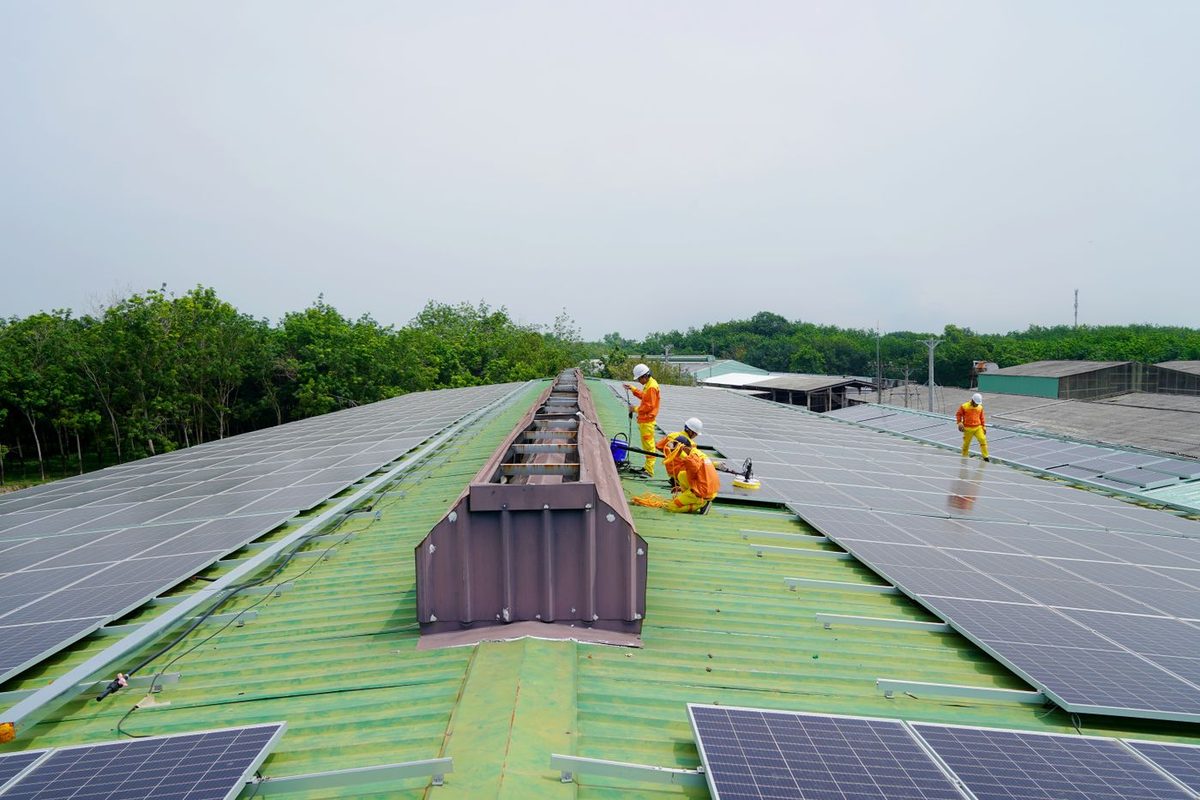
The number of panels is limited by the usable area of your roof or land. Chimneys, vents, skylights and shade from trees or neighbors all reduce it. If space is tight, higher efficiency panels help.
Think about direction and tilt
In the northern hemisphere, panels facing south usually produce the most over a day. East- and west-facing panels produce a little less in total, but earlier or later in the day, which can suit homes with time-of-use rates.
What limits the size
Three things cap the size of a system. The first is space, meaning the roof or yard you can use. The second is the electrical service to your house, which may need an upgrade for a large system. The third is your utility's rules, because some limit how large a system can be compared with your use.
Your installer should check all three during the survey, so the design you receive can actually be built and connected.
Decide early whether you want a battery
A battery stores extra daytime electricity for the evening or for an outage. It changes what you want from the system, so it is best to decide early. See solar battery storage explained.
Ask for a proper survey
A design based on your real bills, your roof and your goals will always beat a rule of thumb. Contact Sunweave and we will survey your home and design a system to fit.
The short version
- Start with your last twelve months of electricity use.
- Divide your use by the yearly output of one kW in your area to get a size.
- Roof space, electrical service and utility rules can cap the size.
- Think about future needs such as an electric car.
- Ask for a survey before you settle on a number.