 Call us (480) 661-0384
In this guide
Solar panels make the most electricity at midday, but many households use more in the evening. A battery bridges that gap. Here is what a home solar battery does and how to decide whether you need one.
What a solar battery does
A battery stores electricity that your panels make but your home is not using at that moment. You can use it later, for example in the evening. This means you use more of your own electricity and buy less from the grid.
How a battery fits into the system
A battery stores electricity for later. In a home solar system it charges from your panels during the day, and you draw from it in the evening or when the grid is down. Some systems also charge the battery from the grid at times when power is cheap.
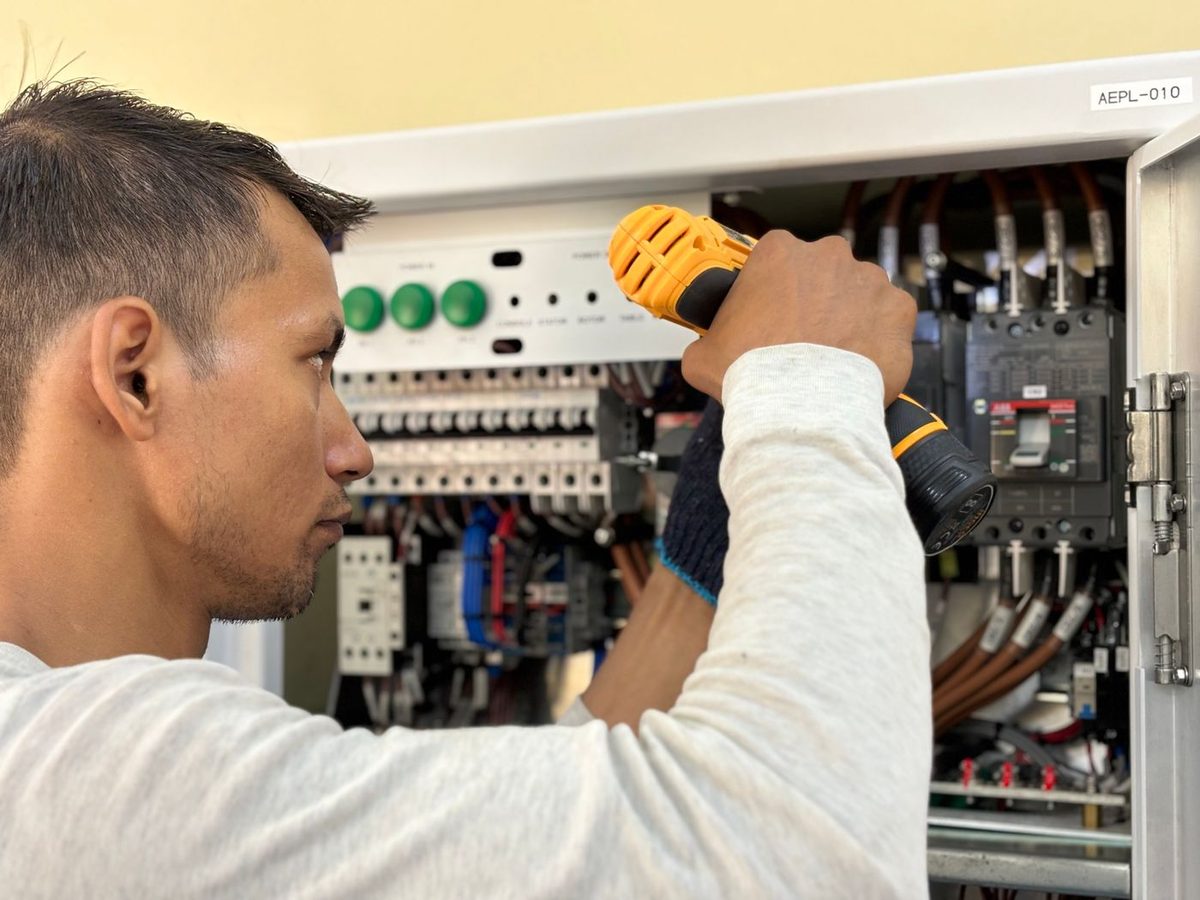
The battery connects to the system in one of two ways. In an AC-coupled setup it has its own inverter and can be added to an existing system. In a DC-coupled setup it shares an inverter with the panels. Your installer will explain which one suits your home.
Two numbers to know: kWh and kW
Capacity, in kilowatt-hours (kWh), says how much energy the battery can store. Power, in kilowatts (kW), says how much it can deliver at once. A battery with a large capacity but low power may not run many appliances at the same time.
Backup during an outage
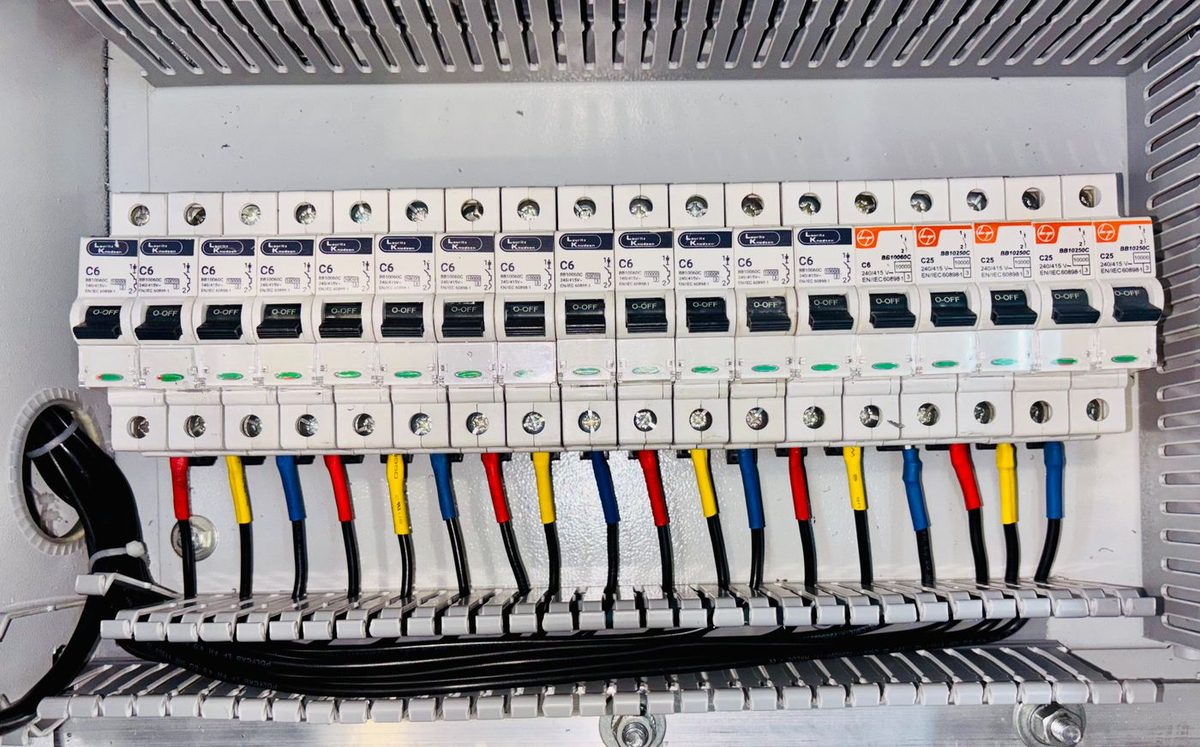
Some systems can keep part or all of your home running when the grid is down, but only if the system is set up for it. Tell us at the start if backup matters to you, so we plan the electrical design for it.
What a battery will not do
A battery has limits, and it is better to know them before you buy. It stores a fixed amount of energy, so it will not run your whole house through a long outage if you use a lot of power. Large loads such as a central air conditioner or an electric oven can drain it quickly or exceed the power it can deliver at once.
That is why many homes back up only the circuits that matter most, such as the refrigerator, lights, internet and a few outlets. We help you choose which circuits to protect.
When your utility makes it worthwhile
In places where the utility pays little for the power you send to the grid, or charges more at certain hours, storing your own power can make more sense. Read net metering explained for how this works.
Questions to ask yourself
Do you use most of your electricity in the evening? Do you want protection from outages? Would you like to add a battery later? You can design a system today so that a battery can be added in the future. See our Chandler case study for a system with storage.
Sizing and cost questions
A battery adds to the cost of the project, so it should earn its place. Think about what you want from it. If it is backup power, the size depends on the circuits you choose and how long you want them to run. If it is saving money, the answer depends on your utility's rates.
Ask your installer to show how the battery would work on an average day and on an outage day, and what it adds to the price.
The short version
- A battery stores solar power for the evening or for an outage.
- It has a fixed capacity and a fixed power output, so it cannot run everything.
- Most homes back up essential circuits only.
- Your utility's rates can decide whether it makes financial sense.