 Call us (480) 661-0384
In this guide
Solar works on most roofs, but the way panels are attached depends on what the roof is made of. Here is what to expect for the common types in the US.
Asphalt shingle
This is the most common roof and the simplest for solar. Mounts are fastened to the roof structure and sealed, and the rails and panels sit above the shingles.
Why the roof material changes the work
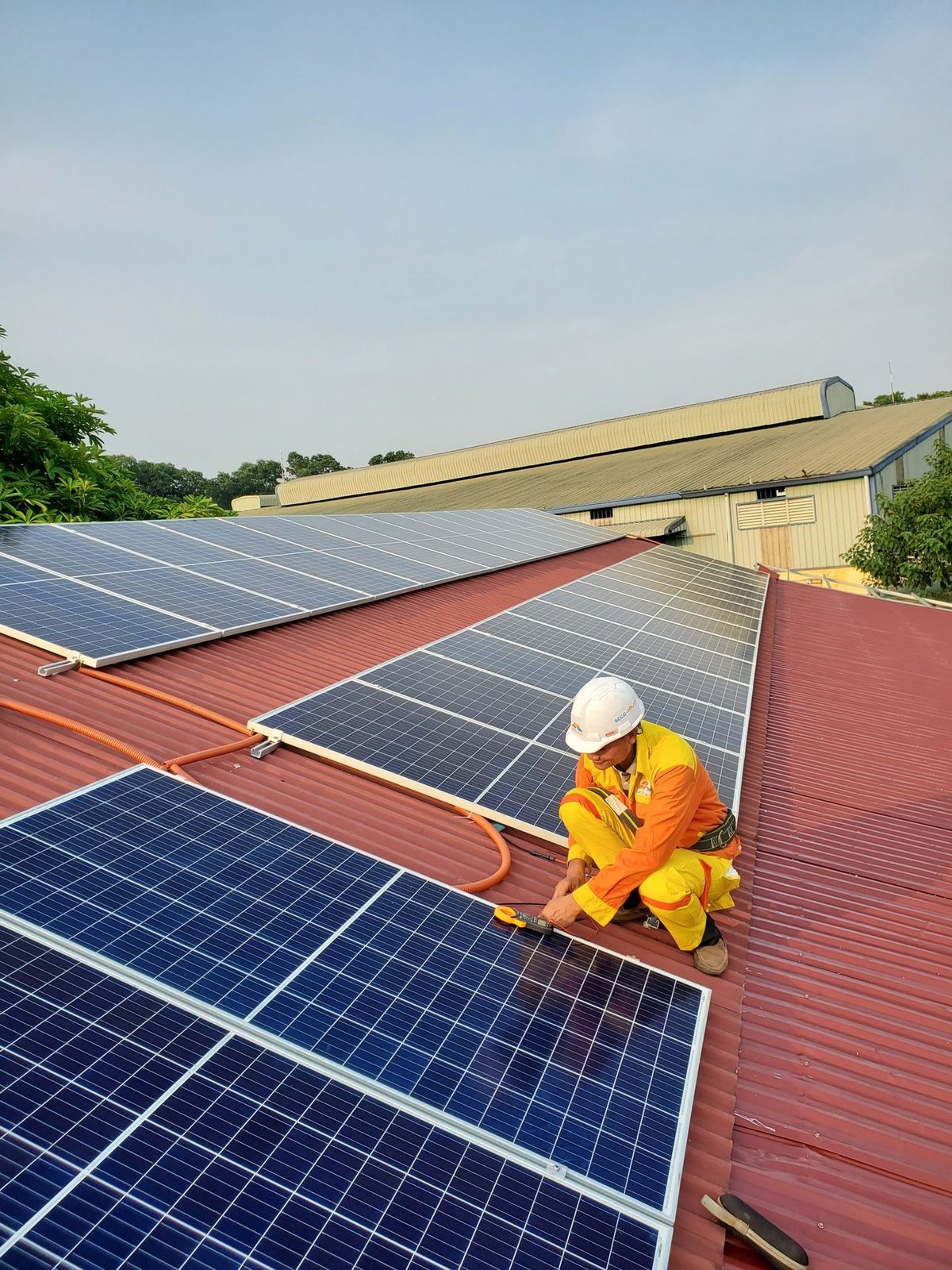
Panels do not rest on the roof surface. They are fixed to a rail system, and the rails are bolted to the structure underneath, usually the rafters. How we reach that structure and keep water out depends on what covers it.
That is why two homes with the same panels can have very different installation methods. It also explains why an installer should look at your roof in person before giving a final price.
Tile
Tile roofs, common in the Southwest, need more care. Special hooks or replacement tiles are used so that the tiles are not broken and the roof stays watertight. It is work for an installer with tile experience.
Metal
On standing seam metal roofs, panels can often be clamped to the seams with no holes in the roof, which is a clean and fast way to mount them.
Roof pitch, direction and shade
The material is only part of the picture. A south-facing slope gets the most sun over a year in the northern hemisphere, but east and west slopes also work well, and they can suit homes that use more power in the morning or evening. A steeper pitch can make installation harder and slower, while a very flat roof usually uses tilted racks.
Shade from trees, chimneys, vents and neighboring buildings matters as much as direction. A small amount of shade can cut the output of a string of panels, which is one reason some homes use microinverters or optimizers. Our guide to solar inverters explains the options.
Flat and low-slope
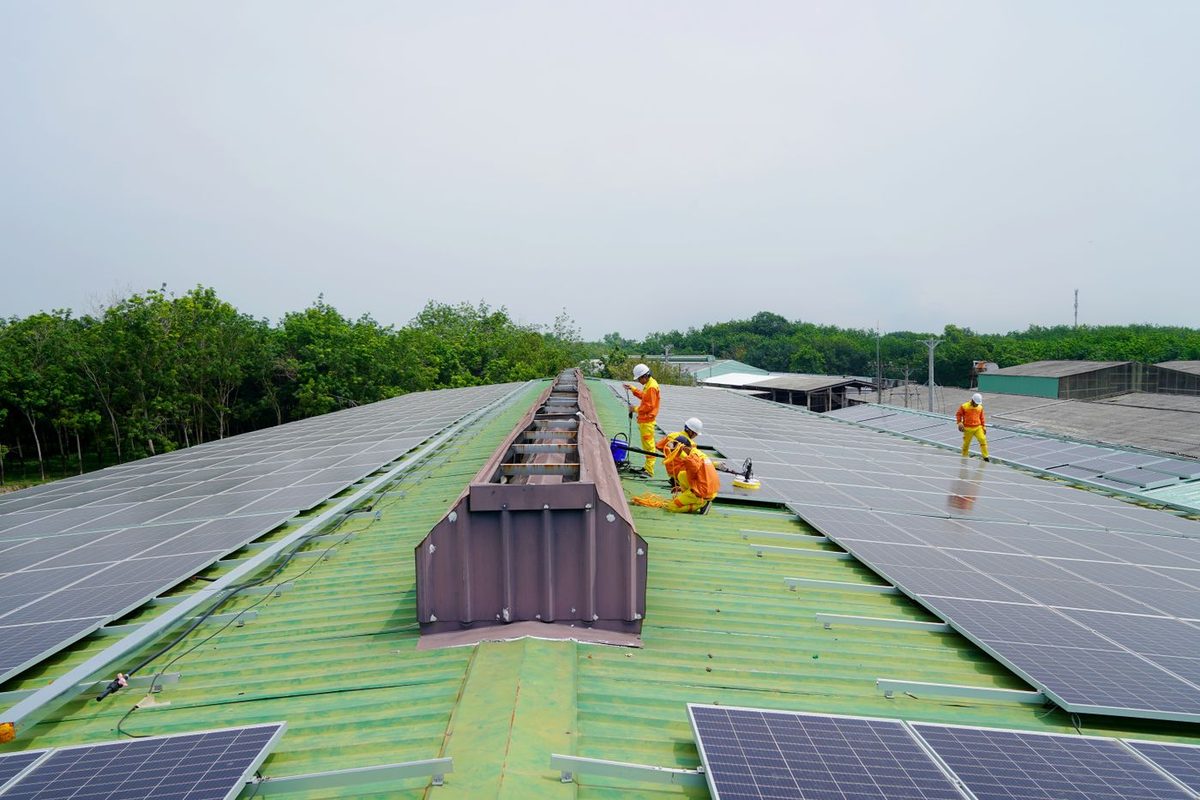
On a flat roof, panels sit on racks that tilt them toward the sun. The racks are held down by weights, by fasteners, or by both, depending on the roof and the wind.
Check the roof's age first
Panels last 25 years or more. If your roof is near the end of its life, it is usually cheaper to replace it before the panels go on than to take the panels off later. A survey will tell you what condition the roof is in.
Preparing the roof
Before the installation, clear any loose or damaged tiles and shingles, and ask your installer to point out anything that needs repair. If you plan to replace the roof within a few years, it is cheaper to do it before the panels go up than to remove and refit them later.
Keep records of the roof's age and any past repairs. They help the installer and may matter to your roofing warranty.
Not the roof? Look at the alternatives
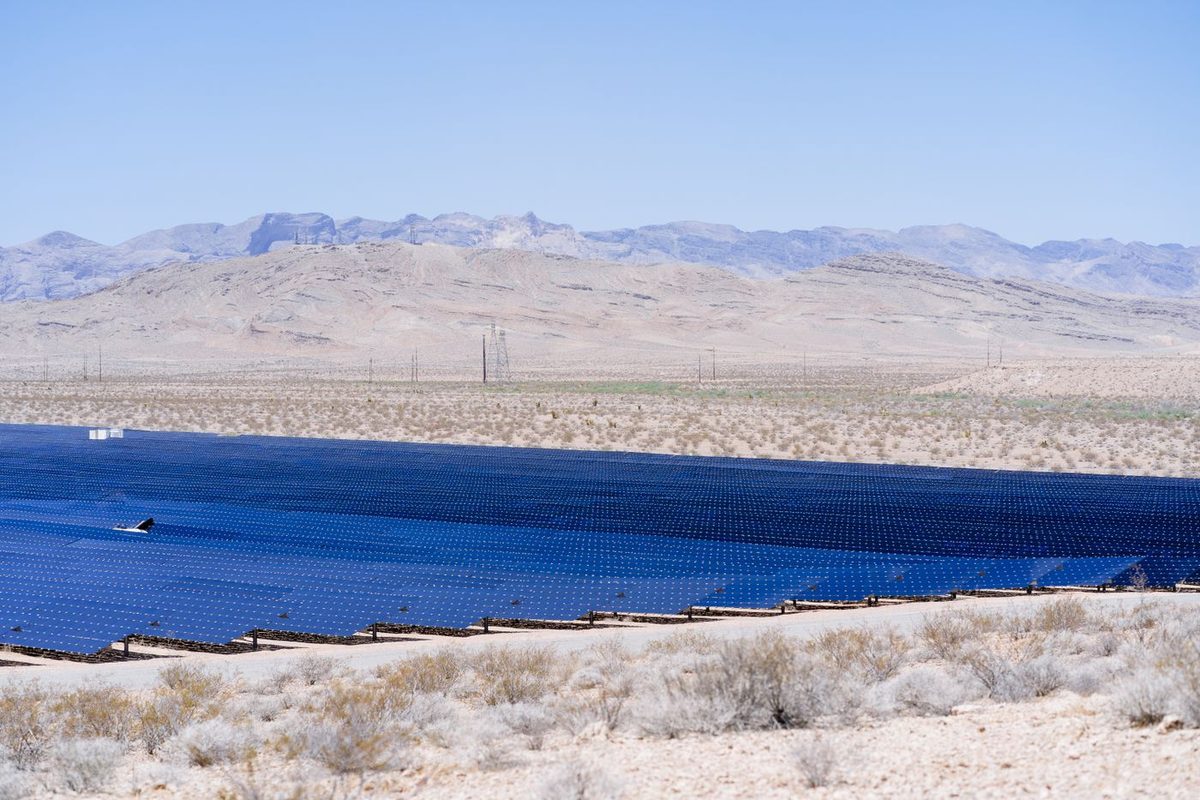
If the roof is not suitable, you can look at ground-mounted solar or a solar carport. Our guide to rooftop, ground-mounted or solar carport systems explains how to choose.
The short version
- Panels are bolted to the roof structure, not just laid on the surface.
- Shingle, tile, metal and flat roofs each need their own method.
- Direction, pitch and shade affect production as well as the material.
- Repair or replace an old roof before you add panels.