 Call us (480) 661-0384
In this guide
Walk into any solar conversation and you will hear a handful of terms: mono, poly, PERC, TOPCon, all-black. Here is what they mean and which ones matter for a home.
Monocrystalline panels
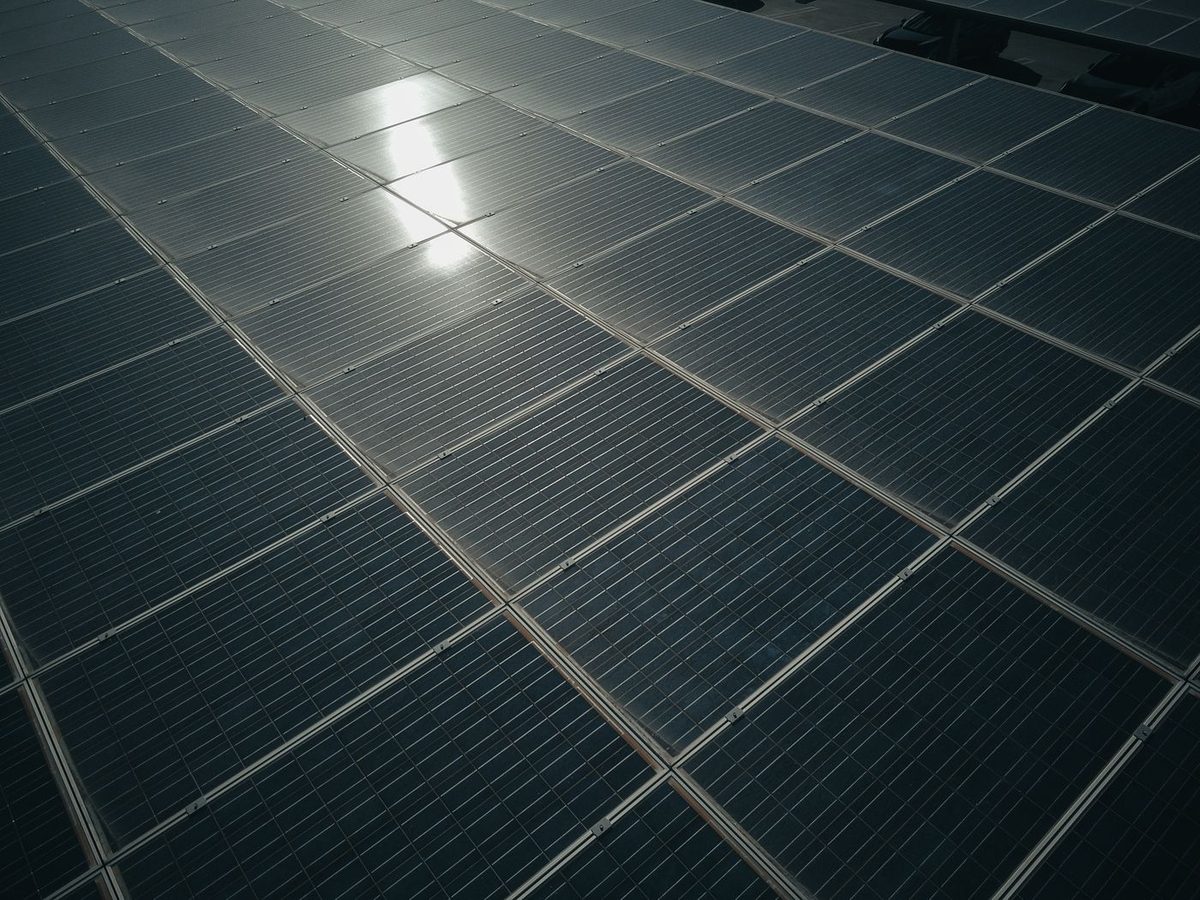
Monocrystalline cells are cut from a single crystal of silicon. They are dark and uniform in color and are the most common choice for homes today, because they make more power from the same area.
How the cells are made
The difference between panel types starts in the factory. Monocrystalline cells are cut from a single crystal of silicon, which gives them an even dark look and a high efficiency. Polycrystalline cells are made from silicon melted and cast into blocks, so they have a bluish, speckled look and have been the cheaper option. Thin-film panels put a very thin layer of material on glass or metal instead of cutting silicon cells.
Most panels sold for homes today are monocrystalline, and the price gap between the types has narrowed a lot. You may still see all three in quotes and old installations.
Polycrystalline panels
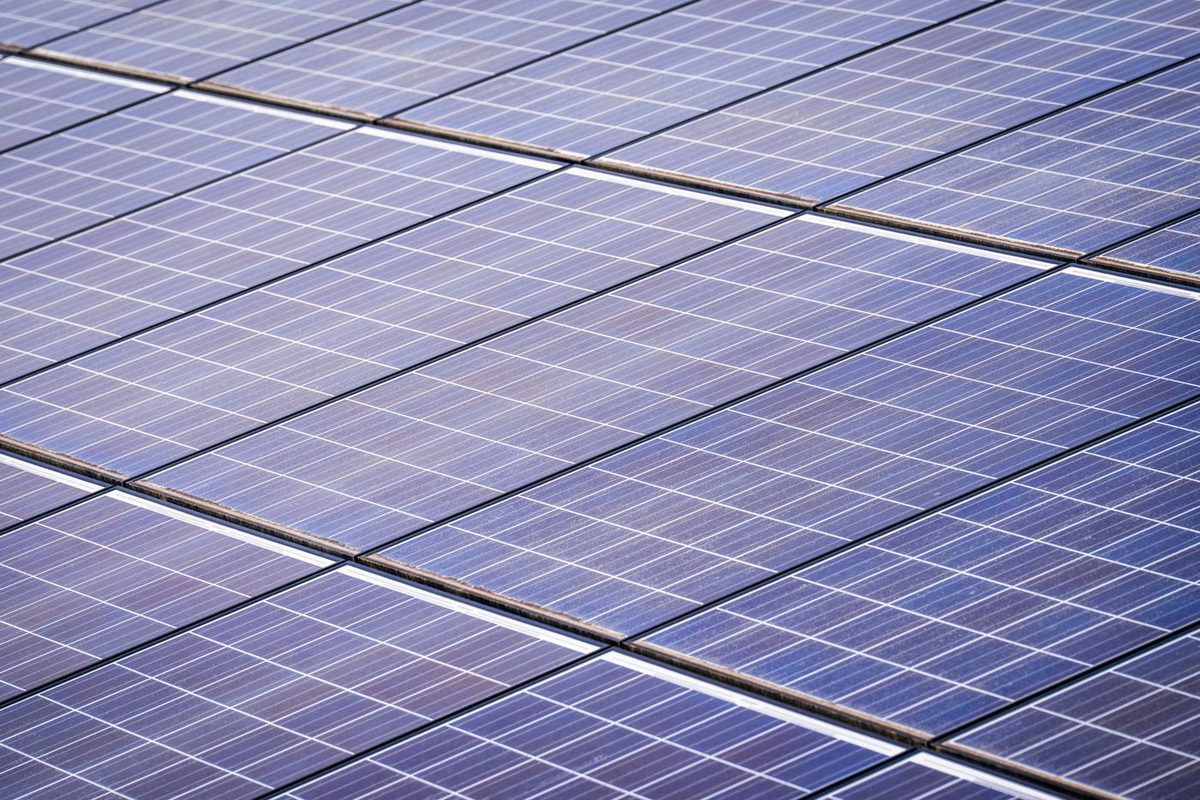
Polycrystalline cells are made from many silicon fragments melted together, which gives them a blue, speckled look. They were once the budget option. Today, most new residential systems use monocrystalline panels.
Thin-film panels
Thin-film panels are light and can be flexible, but they usually have lower efficiency, so they need more space. You will see them on some large buildings and special projects more than on houses.
Choosing for a home roof
For a typical home the choice usually comes down to the space you have. If your roof is large and sunny, a slightly less efficient panel can still cover your needs. If space is tight, higher efficiency lets you fit more power in the same area.
Look beyond the type. Two monocrystalline panels can differ in power rating, temperature behavior, appearance and warranty. Our guide to solar panel efficiency shows how to read those numbers.
Terms on the spec sheet
PERC and TOPCon are cell designs that capture more light than older designs. Half-cut cells split each cell in two to lose less power and handle shade a little better. N-type cells are a newer silicon type that usually degrade more slowly. All-black panels have black cells, frames and backsheets, and are chosen for looks.
What to look at
Look at power output in watts, efficiency, temperature coefficient and the warranty. We explain two of them in solar panel efficiency explained and solar panel warranties.
Appearance and extras
Many homeowners care how the roof looks. Some panels have black frames and black backing sheets, which blend in with dark roofs. Others have silver frames and a visible grid. Neither look affects the electricity they make, so this is a matter of taste.
Some panels are made to work well with shade or to produce on both sides, picking up light that reflects from the ground. These features can help on a ground-mounted system or a bright flat roof, and they are worth asking about if your site suits them.
The short version
- Monocrystalline panels are the most common choice for homes today.
- Polycrystalline and thin-film panels exist but are less common on new roofs.
- Roof space often matters more than the panel type.
- Compare power rating, efficiency, temperature behavior and warranty.